You are on our International website. Please select your region to see content specific for your location





 Profile
 Orders
 Wishlist
 Change Password
 Logout


LATEST BLOGS
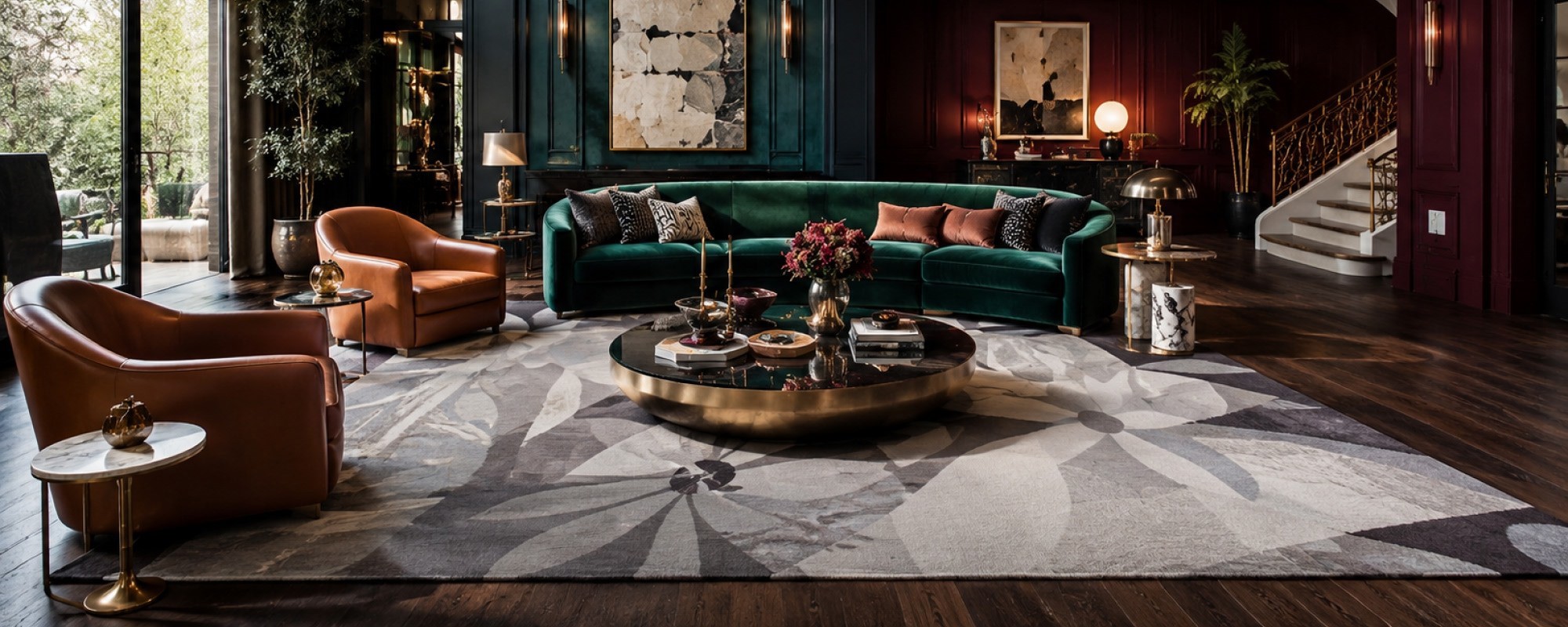
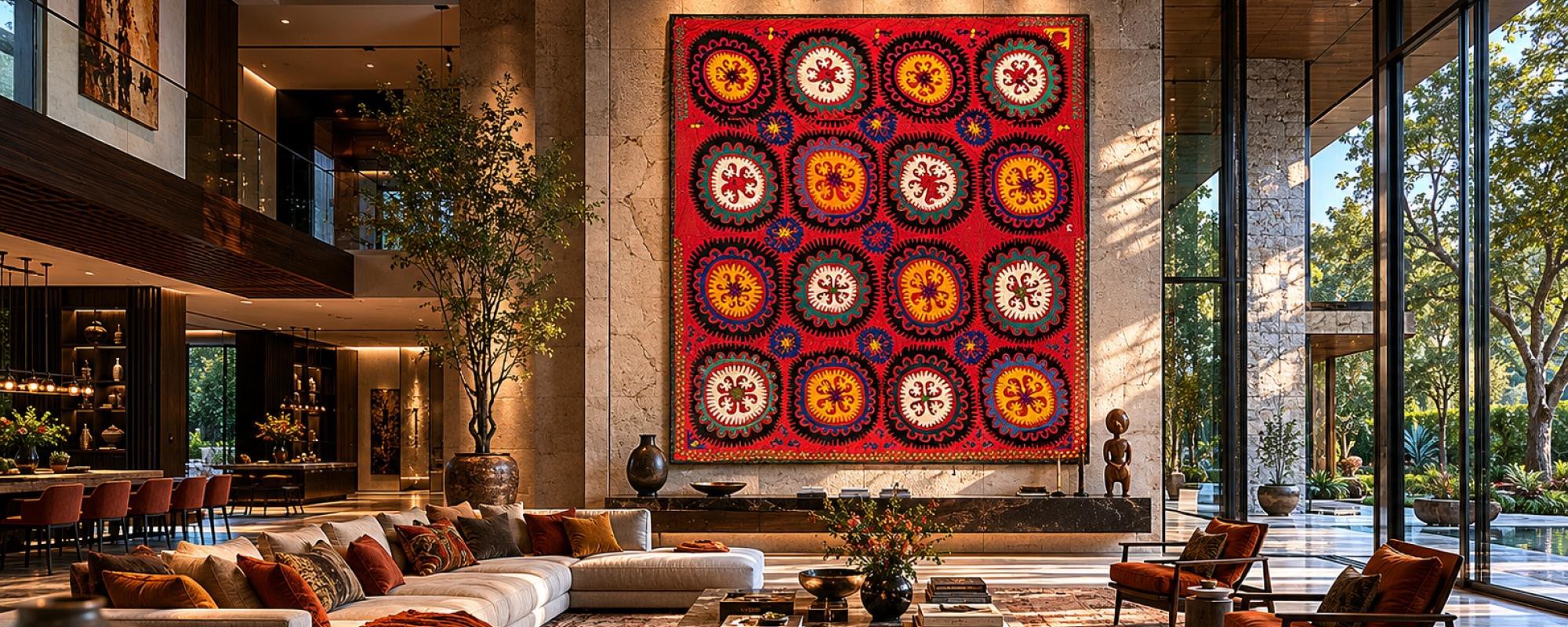
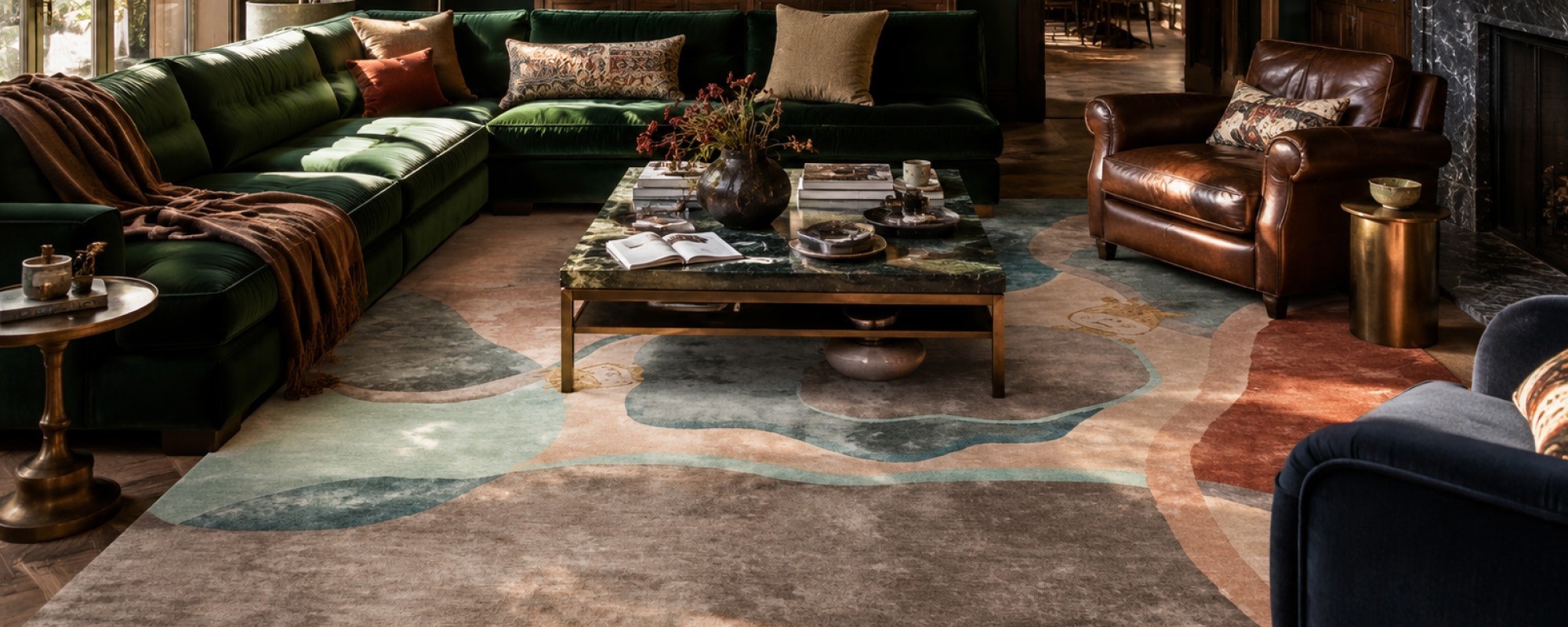
The Nature of Home: A Deep Dive into Biophilic Design Rugs
- 14 April 2026
- 9 Min Read
- By Jaipur Rugs
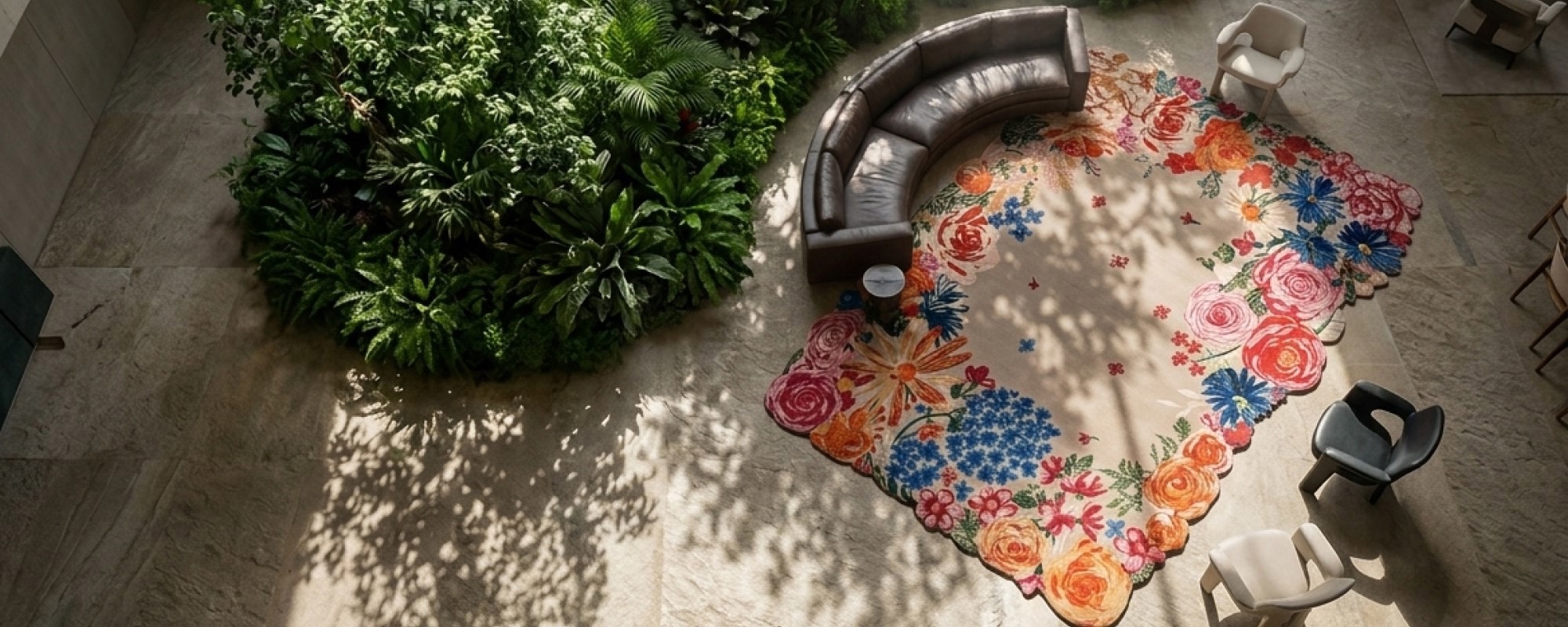
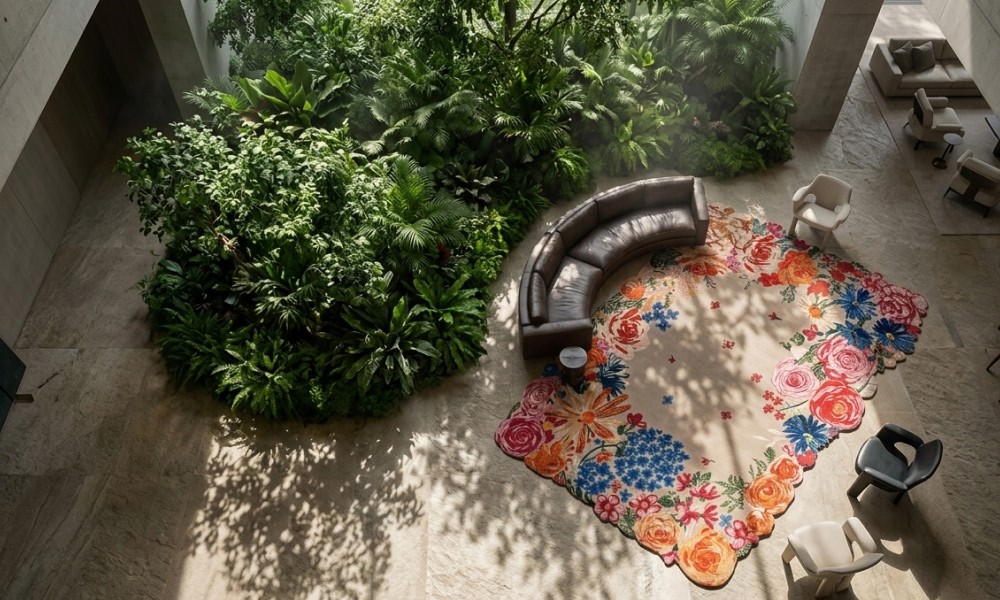
Embrace the healing power of nature with biophilic interior design. This guide explores how organic shape area rugs and high-quality wool rugs break the rigidity of modern architecture. By prioritizing natural materials like jute, bamboo silk, and hand-knotted textures, you can create a restorative sanctuary. Discover the essential principles of biophilic decor to transform your living space into a grounded ecosystem.
In an era where we spend nearly 90% of our time indoors, the disconnect from the natural world has never been more apparent. This realization has sparked a revolution in the way we curate our living spaces. Enter biophilic design, a concept that goes far beyond simply placing a potted plant in a corner. It is a strategic approach to architecture and interiors that seeks to reconnect humans with nature through sensory experience, materiality, and form.
One of the most effective, tactile, and visually stunning ways to ground this philosophy in your home is through the foundation of any room: the rug. By blending biophilic interior design principles with the soft, grounding presence of wool rugs and organic shapes, you can transform a sterile room into a sanctuary that breathes.
What is Biophilic Design?
To understand its impact, we must first ask: What is biophilic design? Coined by biologist E.O. Wilson, “biophilia” suggests that humans possess an innate tendency to seek connections with nature and other forms of life. It is the reason we feel calmer by a stream or revitalized in a forest.
In a residential context, biophilic design principles go beyond aesthetics. They prioritize:
-
Direct Experience of Nature: Light, air, water, and plants.
-
Indirect Experience of Nature: Natural materials, textures, and organic shapes.
-
Space and Place: Creating “prospect and refuge”, spaces that feel both open and secure.
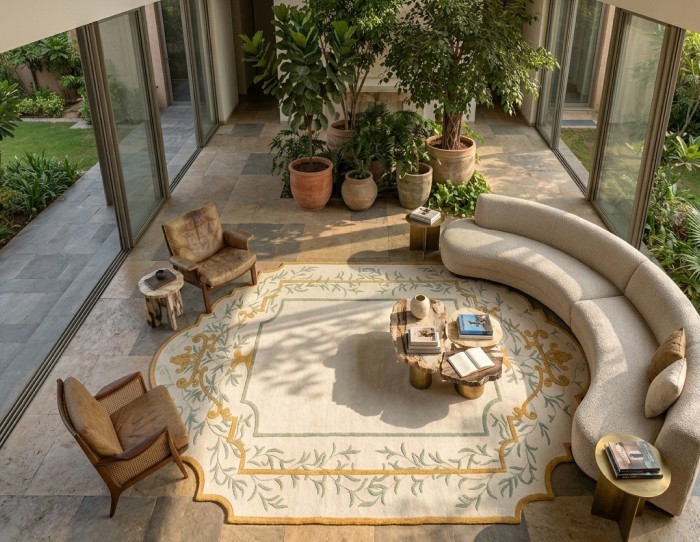
When we apply these to biophilic design home decor, we look for pieces that mimic the patterns, colors, and irregularities found in the wild. For instance, incorporating biophilic art on your walls can be beautifully mirrored on the floor with hand-knotted rugs that tell a story of ancient craftsmanship and natural dyes, bridging the gap between human history and the natural world.
The Power of the Organic Shape Area Rug
For decades, the standard for floor coverings was the rigid rectangle. Functional, sharp 90-degree angles are rarely found in nature. Nature is fluid; it moves in curves, swells, and asymmetrical paths. An organic shape area rug breaks the visual monotony of a room’s “boxiness.” These rugs might mimic the silhouette of a weathered river stone, the spread of a leaf, or the wandering edge of a shoreline.
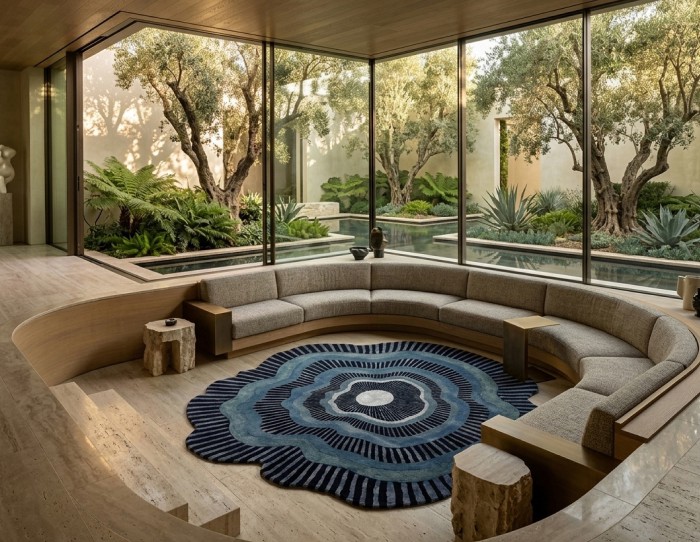
By introducing organic shapes, you soften the hard lines of furniture and walls, immediately making a biophilic living room feel more inviting and less manufactured.
Often, hand-tufted rugs are the preferred medium for these shapes, as the technique offers incredible freedom in silhouette and pile height, enabling designers to create rugs that look like topographical maps or moss-covered forest floors.
Also read: Biophilic Interior Design: How the Right Rugs Complete the Look
Why Wool Rugs are the Ultimate Biophilic Choice
When selecting materials for biophilic decor, authenticity is key. Wool rugs are the gold standard for this aesthetic. As a renewable, biodegradable, and incredibly durable fiber, wool embodies the cycle of nature. Its scales naturally repel dirt, and its protein-based fibers help purify indoor air by absorbing volatile organic compounds (VOCs).
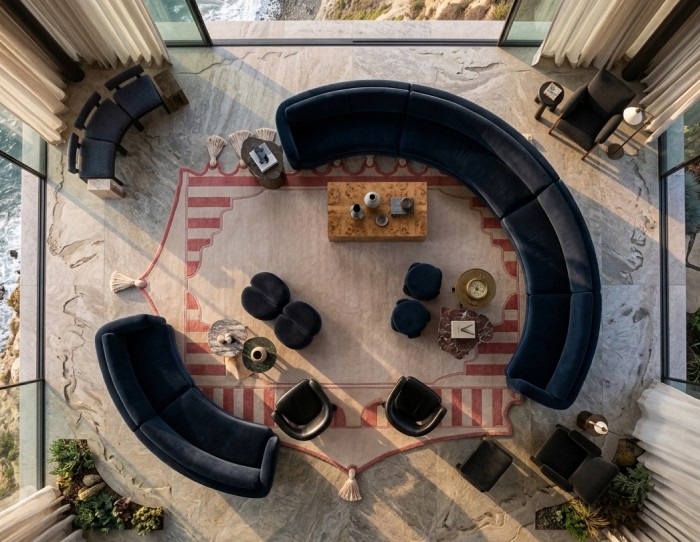
Beyond sustainability, wool offers a sensory experience that synthetic fibers cannot replicate. If you are looking for a subtle shimmer to mimic the way dew sits on grass, many luxury rugs today blend high-quality wool with bamboo silk rugs to create a sophisticated, multi-dimensional texture. This combination not only feels divine underfoot but also adds a layer of visual depth, a “shimmer and shadow” effect that mimics the sun filtering through a canopy.
Designing Your Sanctuary: A Room-by-Room Guide
Integrating nature-inspired elements requires a balance of texture and tone. In high-traffic areas where durability is as important as aesthetics, jute rugs offer a raw, straw-like appeal that feels grounded and unpretentious. They pair beautifully with light-filled spaces and indoor greenery, providing a neutral backdrop for more vibrant furniture.
The Biophilic Living Room: A Place of Refuge
The living room is often where we seek the most “refuge.” To create a calming environment, start with a palette inspired by the sky and sea. Integrating blue rugs can lower the visual “temperature” of a room, providing a sense of serenity. For a more tactile, layered experience, placing a soft rug over flat-woven cotton rugs can create a cozy, bohemian vibe that remains breathable.
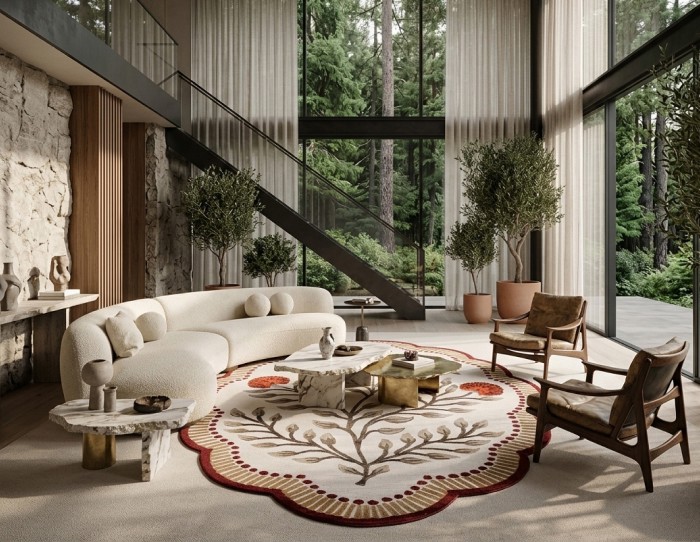
The Study: Intellectual Nature
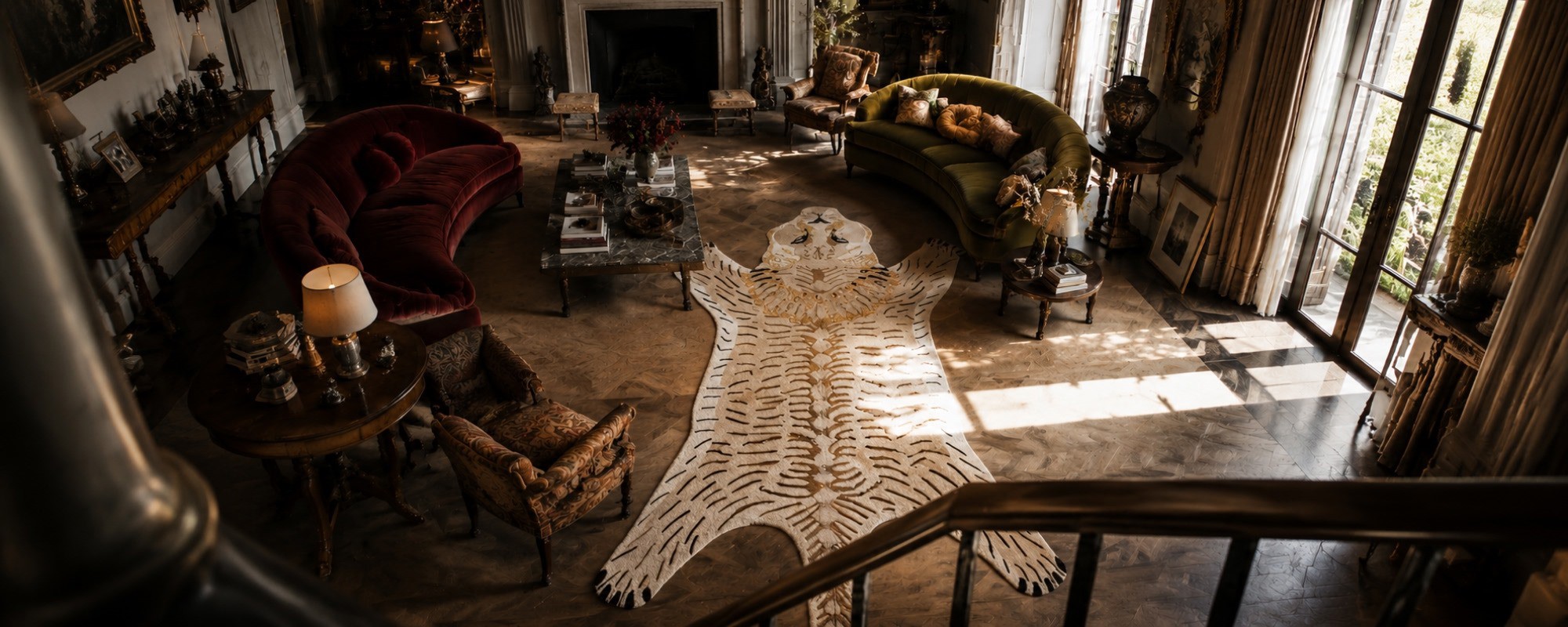
In a home office or library, you want to stimulate the mind while keeping the body relaxed. This is the perfect place for designer rugs that experiment with bold motifs. Consider subtle animal print rugs that celebrate global fauna. These patterns act as a rhythmic element, keeping the space from feeling too static or “dead.”
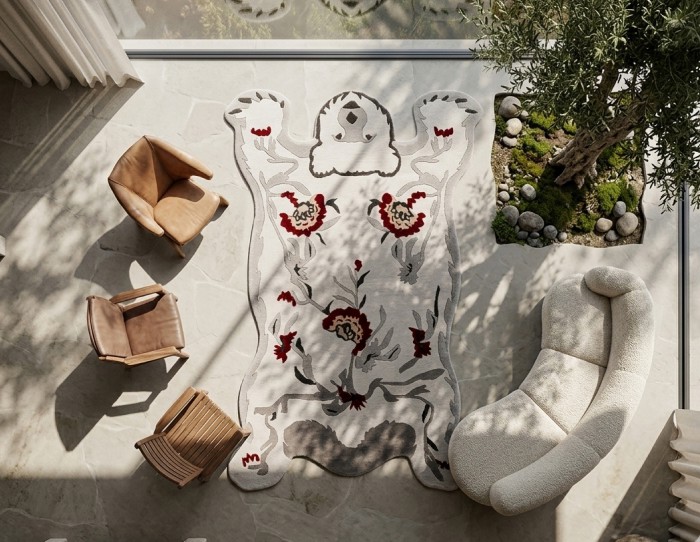
The Bedroom: Restorative Sunlight
For a touch of morning sunlight in a room that lacks large windows, yellow rugs can provide an effective visual “glow,” mimicking the warmth of a summer afternoon. When these colors are executed in viscose rugs, they catch the morning light with a silken sheen, making the start of your day feel soft and luminous.
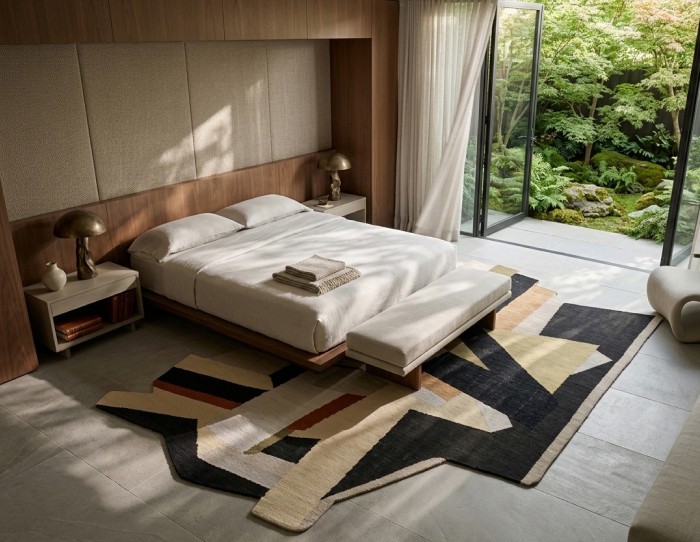
The Psychology of Texture and Pattern
Why do we react so positively to certain textures? Biophilic design taps into “non-rhythmic sensory stimuli.” In nature, this is the slight rustle of leaves or the uneven texture of bark. We can replicate this through rug construction.
-
Hand Knotted Rugs: These represent the pinnacle of “slow design.” The slight “abrash” or color variation in the yarn mimics the way light hits a mountain range.
-
Layering Textures: Combining the ruggedness of a flat-weave with the plushness of a high-pile organic shape area rug mimics the complexity of a natural ecosystem.
-
Sensory Grounding: Walking barefoot on a natural wool or jute surface provides a “grounding” effect, which has been shown to reduce cortisol levels and improve mood.
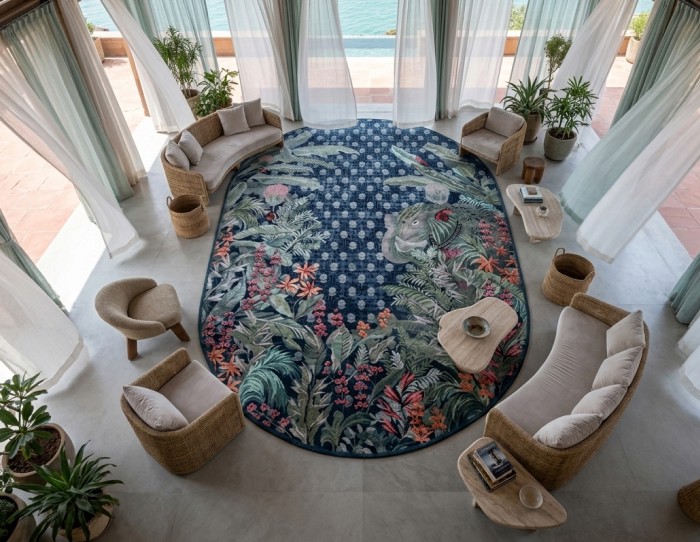
The Evolution of Discovery: Finding Meaning in the Modern Market
The way we source home decor has undergone a radical shift. In the past, searching for a rug was a matter of dimensions and base colors. Today, the digital landscape and our own buying habits have become more sophisticated. We no longer search for just an object; we search for an atmosphere and a value system.
When you look for luxury rugs today, you aren’t just looking for a floor covering you are looking for a narrative. Modern discovery tools now prioritize the "story" behind the weave. Buyers are increasingly asking deeper questions that define the biophilic spirit:
-
The Origin of Material: Is the luster of my rug coming from bamboo silk rugs that were harvested with environmental integrity?
-
The Intent of the Pattern: Does the design serve as a piece of biophilic art, or is it a mass-produced geometric?
-
The Human Connection: Does a piece like a hand-knotted rug reflect the months of artisan labor required to bring a natural vision to life?
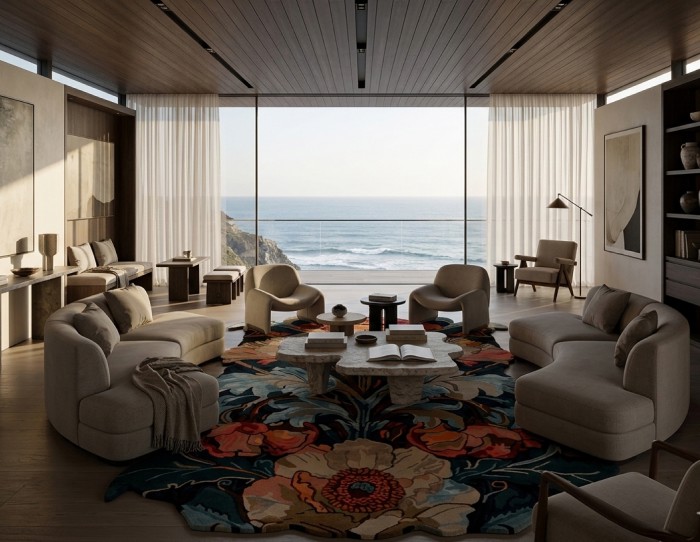
By focusing on these high-value descriptors "artisan-made," "sustainable silhouettes," and "textural authenticity," homeowners can bypass the generic and find pieces that act as vital components of a healthy, restorative home environment. This shift toward "intent-based" decorating ensures that your home isn't just styled, but is a curated ecosystem that reflects your connection to the natural world.
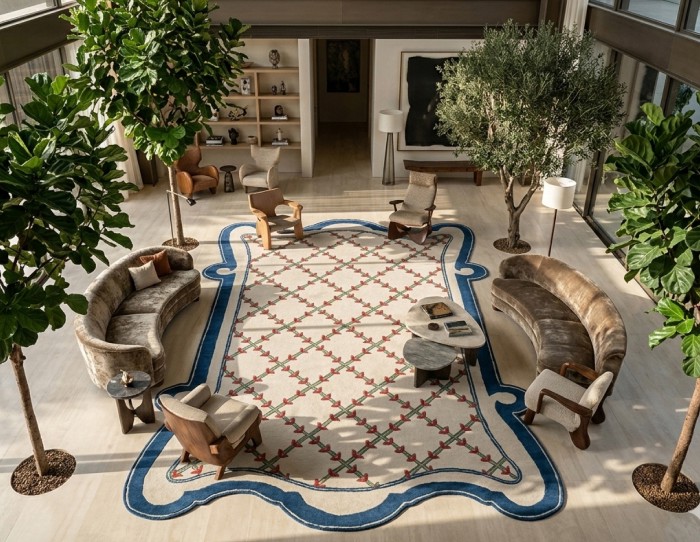
Choosing Your Palette: The Colors of the Earth
While neutral tones like oatmeal, slate, and terracotta are staples of biophilic interior design, do not be afraid to lean into the more vibrant side of the natural world.
-
Forest Greens: The ultimate biophilic color, representing growth and life.
-
Deep Oceans: Utilizing blue rugs to create a sense of vastness and depth.
-
Floral Accents: Using designer rugs with abstract floral patterns to bring the “bloom” indoors year-round.
-
Desert Sands: Warm, golden yellow rugs that evoke the feeling of a sun-drenched landscape.
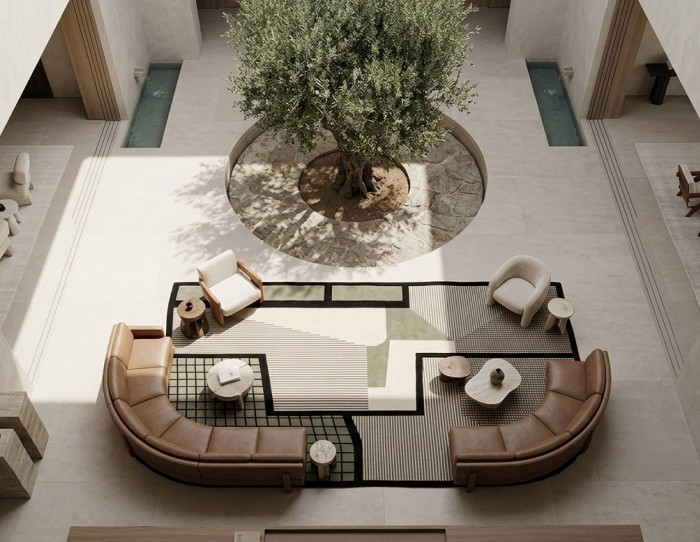
Conclusion: Your Home, Evolved
Biophilic design is not a passing trend; it is a fundamental shift in how we view our relationship with our environment. It is about moving away from the “machine for living” and toward the “ecosystem for thriving.”
By focusing on biophilic design principles, choosing wool rugs for their tactile warmth, opting for organic shapes to break the monotony of urban life, and layering different natural fibers, such as jute rugs and bamboo silk, you create a home that heals. In a world that is increasingly digital and disconnected, your home should be the place that grounds you. Step onto a natural fiber, surround yourself with organic textures, and breathe in the tranquility of a space designed by nature.
Whether you invest in the timeless complexity of hand-knotted rugs or the modern fluidity of an organic shape area rug, you are doing more than decorating. You are cultivating a sanctuary.
Frequently Asked Questions
How do I clean a wool rug without damaging the natural fibers?
For wool rugs, regular vacuuming without a beater bar is essential to prevent shedding. For spills, blot (never rub) with a clean cloth and lukewarm water. Because wool has a natural protective wax called lanolin, it is inherently stain-resistant, but professional cleaning is recommended every 2–3 years to maintain the quality of its luxury rugs.
Are organic shape area rugs harder to style than rectangular ones?
Not at all! An organic shape area rug is actually more forgiving. It doesn’t need to be perfectly parallel to your walls or furniture. These shapes are perfect for "softening" a room or layering over larger, neutral jute rugs to create a cozy, nature-inspired focal point.
Is bamboo silk as durable as traditional wool?
While bamboo silk rugs offer a stunning, high-end sheen that mimics real silk, they are more delicate than pure wool. They are best suited for low-traffic areas, such as bedrooms or formal lounges. For high-traffic spots, look for a blend that combines wool for durability with bamboo silk for biophilic art highlights.
Can biophilic design work in small, dark apartments?
Yes, biophilic design home decor is actually ideal for smaller spaces. Using yellow rugs or light-colored cotton rugs can make a room feel brighter and more expansive. Focus on "visual breezy textures" and organic shapes to prevent the room from feeling cramped by sharp, heavy furniture lines.
Why are hand-knotted rugs more expensive than hand-tufted rugs?
The difference lies in the labor and longevity. Hand-knotted rugs are made by tying individual knots to a warp, a process that can take months and results in a piece that lasts generations. Hand-tufted rugs are created using a tufting gun; they are beautiful and tactile but have a shorter lifespan, making them a more accessible entry point for designer rugs.
Do viscose rugs fit into a sustainable biophilic home?
Viscose rugs provide a beautiful luster, but if sustainability is your primary goal, prioritize jute rugs, wool, or bamboo silk rugs. If you love the look of viscose, ensure you are buying from a premium source that prioritizes responsible manufacturing processes to stay true to biophilic design principles.


Pic Credits
Jaipur rugs / Abil Dase
Share
-
 Facebook
-
 Twitter
-
 Email
Email
Related posts
-
02 June 2026
-
6 Min Read
What Color Bathroom Rug Goes With Green Walls? Best Pairings for Every Shade
Most people think a green bathroom succeeds or fails because of the shade of green they choose. Designers know better. The real difference usually appears at floor level. That's why two bathrooms with identical walls can feel completely different. One feels finished. The other feels like something is missing. More often than not, the answer comes down to the rug and the contrast it creates.
Read More >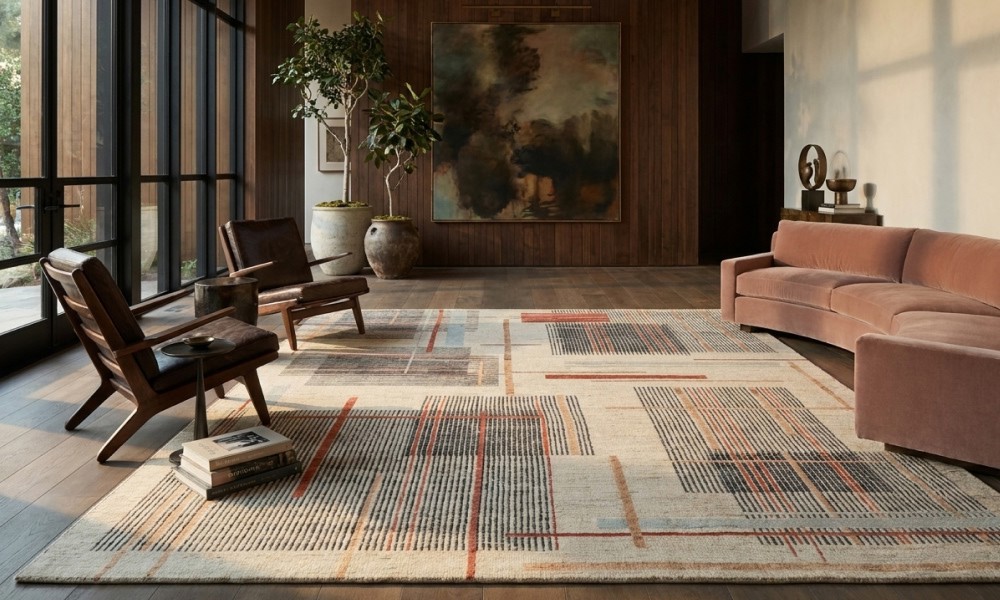
-
31 May 2026
-
4 Min Read
The End Of Sterile Minimalism: Meet The Blythe Collection
The most interesting interiors right now aren't becoming more decorated. They are becoming more distinctive. The Blythe Rug Collection captures that shift through architectural geometry, abstract compositions, and richly textured, hand knotted wool rugs that resist the sameness that dominates modern interiors. Read more to see how the Blythe collection offers a glimpse into where contemporary design is already heading.
Read More >
-
30 May 2026
-
8 Min Read
Not All Wool Is the Same: The Rug Buyer's Guide to New Zealand, Merino, Himalayan, and Hand-Spun Wool
Choosing the right floor covering requires understanding your material's origin. While New Zealand fibers offer a pristine, vibrant canvas for modern spaces, Merino provides unmatched barefoot softness. For high-traffic areas, lanolin-rich Himalayan and resilient hand-spun Afghan wools offer the ultimate heirloom durability. Explore how these distinct textures transform your interior layout.
Read More >
-
29 May 2026
-
7 Min Read
Suzani Fabrics 2026: Hand-Embroidered Patterns & Trends for Luxury Interiors
Hand-embroidered suzani fabrics are leading the 2026 luxury heritage revival. This guide defines traditional Uzbek motifs and offers expert styling tips for bohemian maximalism and eclectic decor. Learn to balance these bold, tactile tapestries by grounding your space with high-quality, textured wool rugs that seamlessly blend global craftsmanship with modern, sophisticated interior design.
Read More >
-
28 May 2026
-
6 Min Read
How Wabi Sabi Style Embraces Imperfection Like Never Before?
Perfect interiors are starting to feel like showroom screenshots with no pulse. Wabi sabi interrupts that perfection spiral with imperfect handmade rugs, uneven textures, faded surfaces, and rooms that feel beautifully unresolved. As modern interiors become visually exhausting, this Japanese design ethos is making rawness, irregularity, and human imperfection magnetic again. Keep reading before your home starts looking painfully overfinished.
Read More >
-
27 May 2026
-
8 Min Read
Shrinathji Pichwai Painting: Cultural Significance and Home Placement Rules
Pichwai is a 400-year-old art style from Rajasthan, India. Originally made as large fabric backdrops for temples, these paintings show beautiful stories of Lord Krishna along with cows and lotus flowers. This guide explains the meaning behind these traditional designs and shares simple rules to place them respectfully in your modern home alongside luxury rugs.
Read More >